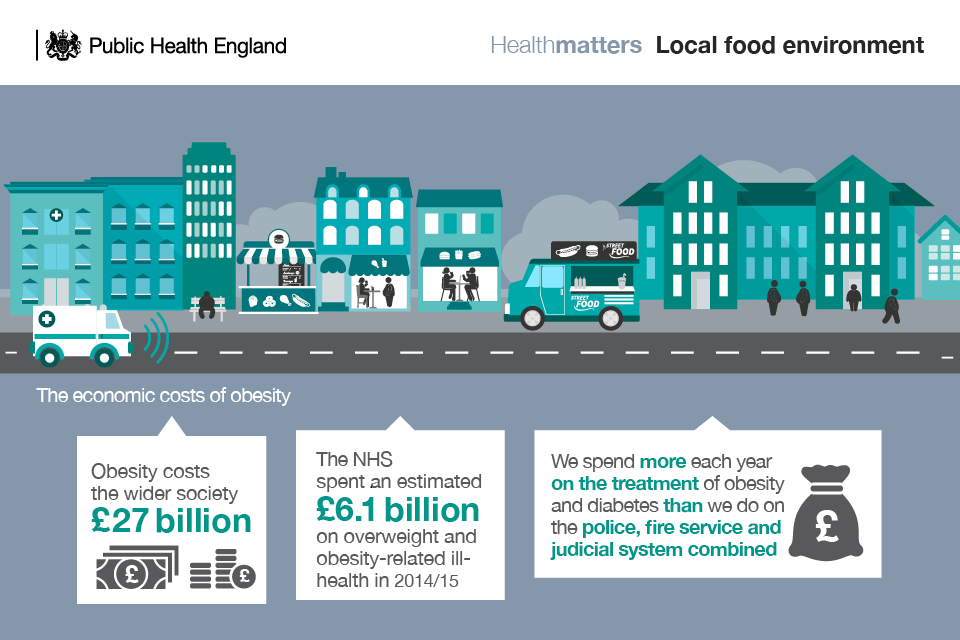
Obesity is a growing issue within the UK, with reports from The Nuffield Trust predicting that by 2030 70% of the UK’s population will be obese or overweight. The problems this causes on the National Health Service (NHS) is only a starting point, with the annual spending on obesity and obesity-related problems being greater than the amount being spent on the police force, fire service and judicial system combined. Government reports have even predicted that by 2050 obesity costs alone will reach £9.7 billion, with wider costs to society expected to reach up to £49.9 billion per year.
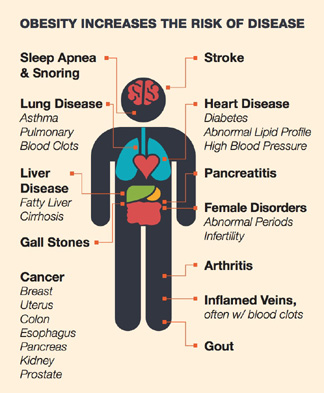
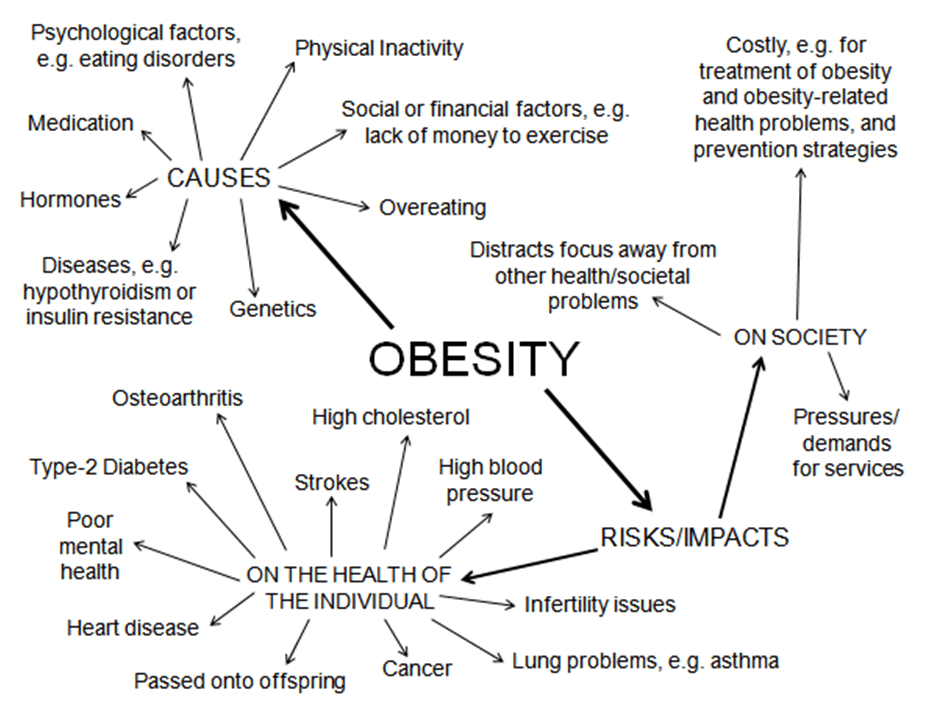
As a society we know the risks and dangers that come with obesity such as type-2 diabetes, high blood pressure and high cholesterol, heart disease, osteoarthritis, and even some cancers, so why is it still a rising issue? Why are we resisting making the appropriate lifestyle changes that will prevent us becoming obese or overweight, or potentially even save our lives?
The media can play a pivotal role in our resistance to change, particularly with its more modern view on body-positivity and campaigns which encourage the acceptance and celebration of all bodies, regardless of shape and size. These campaigns have come around as a result of our acknowledgement of eating disorders and mental issues regarding poor body image and self-esteem. The problem here is that while we are encouraging this positive mindset, we are also become blind to the actual health risks that are posed by obesity, as well as anorexia. This essentially leads people to underestimate the issues of obesity and the need for it to be resolved, and so it remains a large problem within society and, in particularly, in healthcare.
There are other obvious reasons behind peoples’ resistance; genetics can be a key example. Genetics have been found to contribute to 40-70% of all cases of obesity and excessive weight, which can lead to ignorance or people simply giving up. For example if an individual’s obesity is hereditary they may either refuse to believe that lifestyle changes will reduce their risks of becoming morbidly obese as they believe they are ‘meant to be that way’. On the other hand, they may have tried to make certain changes to their lifestyles but may have experienced more difficulty than the average person in losing their weight, which would eventually result in them giving up trying to better their health and well-being.
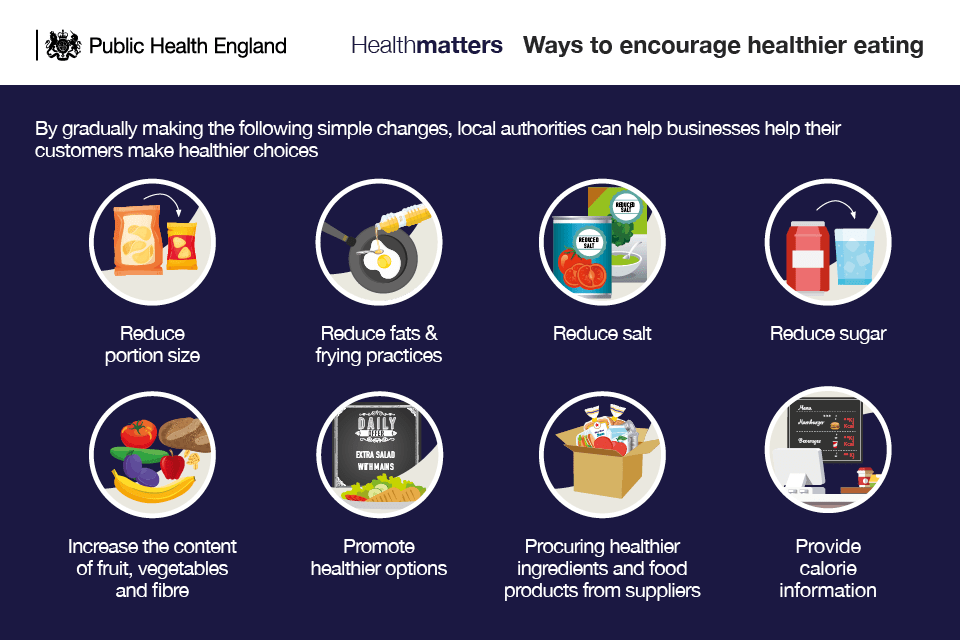
The government has made attempts to raise awareness about the risks of obesity and the appropriate lifestyle changes that are necessary to prevent obesity and the risks it poses, however with there being little success a more hands-on approach was needed. The enforcement of local facilities and commodities in encouraging healthier lifestyles is just one example; they are required to create healthier food environment by substituting unhealthy food options for healthier alternatives which include reduced fats and sugars.
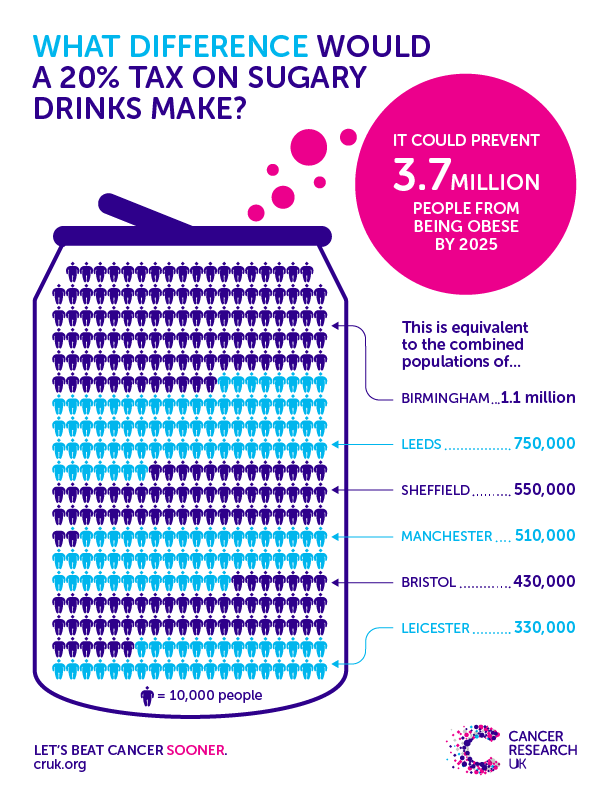
Attempts have also been made to make it more difficult to access unhealthy food and beverages, especially those from lower income households as it is those from lower income households who have higher rates of obesity (34%) than those from higher income households (21%). The Soft Drinks Industry Levy, otherwise referred to as the Sugar Tax, is a key attempt; it is essentially a tax placed on soft and sugary beverages, making them more expensive as a means of discouraging the intake of sugary drinks as they are found to make up 26% of the daily sugar intake of 11-18 year olds.
The PHE Toolkit is more of a prevention strategy which the government introduced to tackle obesity, it is an attempt to integrate schools by implementing policies which would encourage pupils to purchase their lunches from school canteens where healthy yet tasty food options are available, rather than having pack-up lunches or even leaving school grounds to get their lunches from elsewhere (e.g. the corner shop). These policies included: offering meal deals, subsidised or free school meals; trialing healthier and tastier food options; and even making the canteen environment more attractive to the pupils such as music and improved decor. The main aim was to tackle obesity before it occurs or even more it gets worse, and since obesity rates increase with age it seems more logical to tackle obesity amongst the younger generations of society, with the hopes that they would adopt a healthy lifestyles which they would take with them into adulthood.
Although these strategies have been put in place, obesity is STILL on the rise? Why this is, is still a question we are asking and what the government will do next is an even bigger question to tackle.
Related Articles:
Alleva. (2018). Is Body-Positivity Really Contributing to Obesity? Mind Your Body – Psychology Today
Campbell. (2019). Obesity almost doubles in 20 years to affect 13 million people. The Guardian
Derenne and Beresin .(2006). Body Image, Media, and Eating Disorders
 Global Health and Development - Obesity